Introduction:
India is the world’s second-largest sugarcane producer. Sugar supports nearly 5 crore farmers and 5 lakh mill workers. In recent weeks, sugar prices have risen fast.
The Sector at a Glance
-
- India’s sugarcane output hit 500 MMT in 2025-26. That is up 43.5% from 348.44 MMT in 2015-16.
- The area under cane grew from 49.27 lakh hectares to 58.87 lakh hectares in the same period.
- Uttar Pradesh and Maharashtra are the top producing states.
- Sugar exports rose from 0.47 lakh MT in 2016-17 to 8 lakh MT in 2025-26.
- FRP for 2026-27 is ₹365 per quintal, up from ₹230 per quintal in 2016-17.
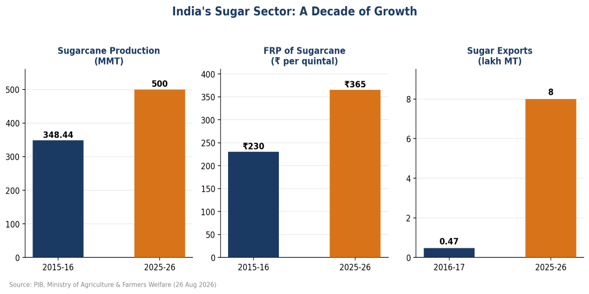
Fig. 1 – India’s sugar sector has grown steadily over the last decade.
Why is the Sugar Industry Important for India?
-
- The sector supports nearly 5 crore farmers and 5 lakh workers, making sugarcane an important source of rural income and employment.
- Sugarcane production reached 500 MMT in 2025–26 up from 348.44 MMT in 2015–16 a growth of about 43.5%.
- Diversion of surplus sugar towards ethanol improves mill liquidity and has contributed to timely cane payments; 97% of 2025–26 cane dues were paid as of August 20, 2026.
- Ethanol production from sugarcane and other feedstocks supports petrol blending, reducing dependence on fossil fuels and improving energy security.
- India exported 8 lakh MT of sugar in 2025–26, with major markets including Sri Lanka, West Asia and East Africa.
- Ethanol diversification provides an outlet for surplus sugar while domestic consumption remains around 280–290 LMT annually against average production of 300–340 LMT.
Sugar and Ethanol how they are linked:
-
- Ethanol blending cuts India’s fuel import bill and gives farmers a stable income.
- The share of sugar sent to ethanol has fallen, not risen. It dropped from 12% in 2022-23 to about 9% in 2025-26.
- About three-fourths of India’s ethanol now comes from grains, mainly maize, not sugarcane.
- In surplus years, ethanol helps use up extra sugar. This frees up cash for mills to pay farmers faster.
- As of 20 August 2026, 97% of cane dues for the 2025-26 season have been paid.
Why Have Sugar Prices Gone Up?
Retail sugar rose from ₹48.18 per kg on 20 July 2026 to ₹55.70 per kg on 20 August 2026. This is a 15.6% jump in one month. But the longer trend is mild. Prices rose only about 3% a year between August 2024 and July 2026. So, this spike looks like a short-term issue, not a new trend.
-
- Lower-than-expected production this season.
- More demand ahead of the festive season.
- Crop damage from disease and heavy rain.
- A global supply crunch pushing up world prices too.
- Some hoarding and speculation by parts of the trade.
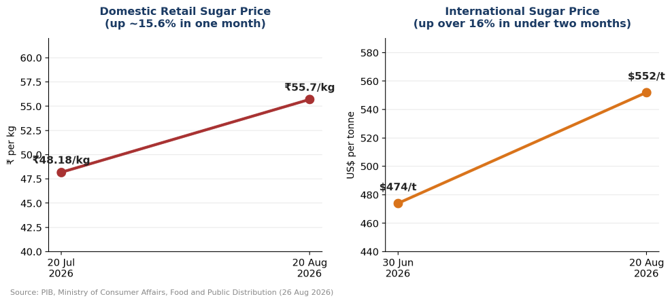
Fig. 2 – Both domestic and global sugar prices have spiked sharply in recent weeks.
Government Steps to Control Prices
-
- A 400-tonne stock limit on dealers, from 1 August to 30 November 2026.
- From 1 September 2026, bulk buyers cannot hold more than 15 days of stock.
- Joint central-state teams are checking mills for hoarding.
- Duty-free import of 10 lakh MT of raw sugar has been allowed.
- States are being asked to start crushing early, from 15 October 2026, to boost October output.
Challenges
-
- WTO dispute panel (ruling reported in 2021, appeal still pending) found that India’s FRP and State Advised Price system counts as market price support. It said India’s support crossed WTO limits. India has appealed, but the case is stuck since the WTO’s Appellate Body is not working.
- Policy analysts writing on India’s cane pricing system point out that SAP, set by some state governments above FRP, often pushes mills to pay more than they can afford. This has led to cane arrears in the past, even though this season’s payment record is strong.
- NITI Aayog and independent water researchers have long flagged that sugarcane is a heavy water user. Cane is grown largely in Maharashtra and Uttar Pradesh, states that already face groundwater stress.
- Business Standard and Mongabay reporting (2026) note that as ethanol demand grows, it could add to pressure on the same water-stressed cane belts, unless water use is factored into future ethanol planning.
- The National Green Tribunal (March 2026) fined a Kolhapur sugar factory for releasing untreated effluent into a river, pointing to a wider pollution risk from sugar mill waste.
Way Forward
-
- Ministry of Commerce and the Department of Food and Public Distribution should keep working toward a WTO-compliant cane pricing method, to reduce the risk of future trade disputes.
- State governments should better align State Advised Price with FRP and mill capacity to pay, so cane arrears do not build up again in a bad season.
- Ministry of Jal Shakti and the sugar industry should study water use before approving new ethanol plants in already stressed cane belts, as researchers have suggested.
- Sugar mills and pollution control boards should enforce stricter effluent treatment norms, especially in river-adjacent mill clusters like Kolhapur.
- Ministry of Agriculture should keep promoting grain-based ethanol growth, since it already reduces reliance on water-heavy sugarcane for fuel.
Conclusion:
India’s sugar sector has grown fast over the last decade. However, current price rise looks temporary, driven by weather, festive demand and some hoarding. But real issues like cane pricing disputes, water stress in cane belts and pollution from mills. Fixing these will help keep India’s sugar sector stable for farmers, mills and consumers alike.
Spread the Word