Indian Polity & Governance
Supreme Court Directives on Student Protest Cases:
Context: A three-judge bench of the Supreme Court led by the Chief Justice of India issued fresh directions to state governments to close legal proceedings linked to student demonstrations, barring grave criminal acts.

-
- Constitutional Basis of Protests: Peaceful assembly and expression are guaranteed under Article 19(1)(a) and Article 19(1)(b) of the Constitution of India.
- Reasonable Restrictions: Rights under Article 19 are not absolute and can be restricted under Article 19(3) in the interests of the sovereignty, integrity, and public order of India.
- Supreme Court’s Inherent Powers: Article 142 of the Constitution provides the Supreme Court with the power to pass any decree or order necessary for doing complete justice in any cause or matter pending before it.
- Role of Public Prosecutor: Under Section 321 of the Code of Criminal Procedure (CrPC) / Bharatiya Nagarik Suraksha Sanhita (BNSS), prosecutors can withdraw from prosecution with the consent of the court.
- State Police Powers: Public order is a State List subject (Seventh Schedule, List II), meaning state governments and police machinery hold primary jurisdiction over maintaining law and order.
- Right to Dissent: Landmark Supreme Court judgments (such as Anuradha Bhasin v. Union of India) emphasize that dissent is a vital pillar of a healthy democracy.
- PIL and Suo Motu: The Supreme Court can take up matters suo motu (on its own motion) to protect fundamental rights against executive or systemic overreach.
- Article 32: Grants citizens the right to move the Supreme Court for the enforcement of Fundamental Rights, described by Dr. B.R. Ambedkar as the “heart and soul” of the Constitution.
- Legal Aid: Article 39A mandates free legal aid to ensure that opportunities for securing justice are not denied to any citizen by reason of economic or other disabilities.
- Judicial Activism: The progressive intervention of courts to safeguard citizen liberties against frivolous or broad criminal prosecution.
(IE)
Society & Social Justice
World Breastfeeding Week (WBW) 2026 Initiatives:
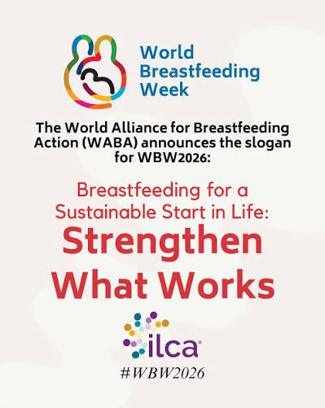
Context: Observances and campaigns continued worldwide under World Breastfeeding Week 2026, anchored by the global theme “Breastfeeding for a sustainable start in life: strengthen what works”.
-
- Global Coordination: Coordinated annually by the World Alliance for Breastfeeding Action (WABA) in collaboration with the World Health Organization (WHO) and UNICEF.
- 2026 Theme: “Breastfeeding for a sustainable start in life: strengthen what works”.
- Child Nutrition Objective: Focuses on early initiation of breastfeeding (within the first hour of birth) and exclusive breastfeeding for the first six months of life.
- Poshan Abhiyaan Alignment: In India, breastfeeding promotion is a core pillar under the Prime Minister’s Overarching Scheme for Holistic Nourishment (POSHAN Abhiyaan).
- IMR and U5MR Impact: Optimal breastfeeding significantly reduces Infant Mortality Rates (IMR) and Under-Five Mortality Rates (U5MR) by protecting against infectious diseases like diarrhoea and pneumonia.
- Maternity Benefit Schemes: Schemes like the Pradhan Mantri Matru Vandana Yojana (PMMVY) provide conditional cash transfers to pregnant and lactating women for partial wage compensation.
- MAA Programme: ‘Mothers’ Absolute Affection’ is a flagship national program launched by the Ministry of Health and Family Welfare to promote breastfeeding and provide counselling through healthcare systems.
- Colostrum Importance: Emphasizes the significance of colostrum (the first milk), which is rich in antibodies and acts as a child’s first natural immunization.
- Workplace Support: Highlights the implementation of the Maternity Benefit Act, which mandates creche facilities and paid maternity leave for formal sector working mothers.
- Stunting and Wasting: Crucial long-term intervention for combating chronic undernutrition, stunting, and wasting among children under five years of age.
(TH/PIB)
Economy
Cotton Productivity Mission – Kapas Kanti & Kapas Darshan Bulletin:
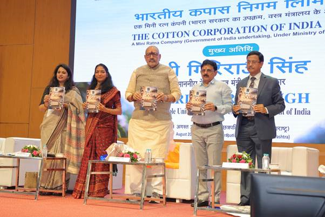
Context: The Ministry of Textiles launched the implementation roadmap for the Rs 5,659-crore Cotton Productivity Mission – Kapas Kanti and the ‘Kapas Darshan’ bulletin during the 56th Foundation Day of the Cotton Corporation of India (CCI).
-
- Mission Outlay: The Cotton Productivity Mission -Kapas Kanti has an approved financial outlay of Rs 5,659 crore.
- Nodal Agency: Implemented under the aegis of the Ministry of Textiles and the Cotton Corporation of India (CCI).
- Primary Objective: To enhance cotton productivity, improve crop quality, ensure traceability, and promote sustainable, climate-smart cultivation practices.
- India’s Global Position: India is one of the largest producers and consumers of cotton globally.
- Climatic Requirements: Cotton is a tropical/sub-tropical crop requiring a Kharif season, uniformly high temperatures (21°C to 30°C), and moderate rainfall (50–100 cm).
- Soil Preference: It grows best in well-drained, moisture-retentive black cotton soils (Regur soils), which are typical of the Deccan plateau.
- Fiber Classification: It is a fiber crop classified broadly into short, medium, and long-staple varieties.
- Bt Cotton: India predominantly cultivates genetically modified Bt cotton, which contains genes from the bacterium Bacillus thuringiensis to resist the pink bollworm pest.
- Minimum Support Price (MSP): Cotton is among the major crops covered under the Commission for Agricultural Costs and Prices (CACP) recommendation framework for MSP.
- Global Trade: India is a major exporter of raw cotton, yarn, and textiles, forming a vital component of the country’s manufacturing export basket.
(TH/PIB)
Development Projects & Semiconductor Policy in Andhra Pradesh:
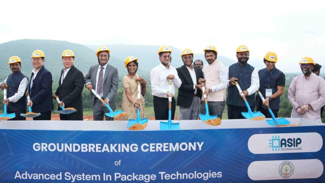
Context: Highlighting regional infrastructure growth, major investments including the foundation stone for the ASIP Semiconductor Project in Visakhapatnam were advanced.
-
- Semiconductor Mission: Aligning with the India Semiconductor Mission (ISM), launched under the DLI (Design-Linked Incentive) scheme.
- Location Advantage: Visakhapatnam serves as a strategic technology and port hub on India’s eastern coast.
- National Highway Corridors: Development incorporates critical connectivity links like sections of NH-365BG, NH-67, and NH-565.
- National Highways Authority of India (NHAI): Operates under the Ministry of Road Transport and Highways (MoRTH), responsible for the development of national highways.
- Power Transmission Integration: Projects include dedicated transmission systems for the integration of large-scale renewable energy (such as the Kurnool-IV ultra mega renewable energy park).
- Renewable Energy Targets: India’s commitment to achieving 500 GW of non-fossil fuel electricity capacity by 2030.
- Special Economic Zones (SEZs): Semiconductor and electronics manufacturing units leverage SEZ provisions for tax holidays and streamlined customs clearances.
- Critical Minerals: Semiconductor fabrication depends heavily on rare earth and critical minerals like silicon, gallium, and germanium.
- Cooperative Federalism: Multi-sectoral infrastructure packages underline central assistance to states for capital expenditure.
- PM Gati Shakti Master Plan: Utilized for integrated planning and synchronized execution of multi-modal infrastructure projects.
(TH)
Tax Devolution Advance Installment to States:
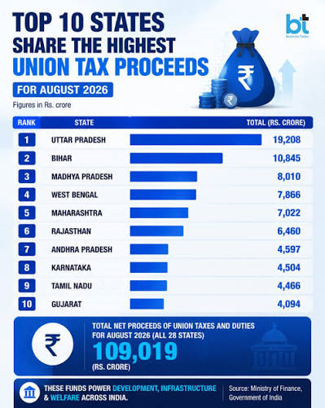
Context: The Union Government released an advance installment of tax devolution amounting to Rs 1,09,019 crore to state governments to boost capital and developmental expenditures.
-
- Tax Devolution Concept: Refers to the vertical distribution of net proceeds of Union taxes between the Centre and the States.
- Constitutional Basis: Governed under Article 270 of the Constitution of India.
- Finance Commission: The vertical and horizontal sharing formulas are recommended by the Finance Commission, constituted under Article 280 by the President of India every five years.
- Horizontal Distribution Criteria: Includes parameters like income distance, population (2011 census), forest and ecology, demographic performance, and tax effort.
- Consolidated Fund of India: All tax revenues collected by the Centre (excluding specific cesses and surcharges unless shareable) flow into this fund before distribution.
- Enhancing State CapEx: Advance releases are specifically targeted at enabling states to front-load capital investments in infrastructure.
- Cesses and Surcharges: Kept outside the divisible pool of taxes, a structural issue frequently debated in India’s fiscal federalism discourse.
- Article 282: Empowers the Union and States to make grants for any public purpose, independent of the formal tax devolution mechanism.
- GST Compensation Era Transition: Following the conclusion of the GST compensation period, states rely heavily on predictable tax devolution schedules.
- Fiscal Responsibility and Budget Management (FRBM) Act: Guides the fiscal deficit limits and debt consolidation paths for both central and state governments.
(PIB)
Meja Thermal Power Project Expansion (REC and PFC Loan Agreement):
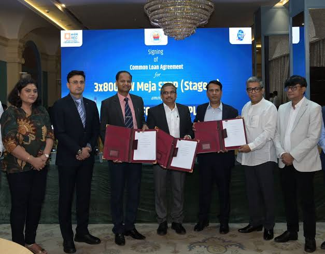
Context: REC Limited and Power Finance Corporation (PFC) signed a major Rs 26,850 crore loan agreement to fund the 2,400 MW expansion of the Meja Thermal Power Project.
-
- Project Partners: Financed jointly through a 50:50 debt facility structure between REC Limited and PFC Limited, with REC acting as lead financier.
- Navratna / Maharatna Status: Both REC Limited and PFC are Central Public Sector Undertakings (CPSUs) categorized under Maharatna/Navratna financial categories under the Ministry of Power.
- Base Load Power: Thermal power plants provide essential base-load grid stability to offset intermittency from renewable energy sources.
- Supercritical Technology: Modern expansions utilize supercritical or ultra-supercritical boilers to achieve higher thermal efficiency and lower carbon intensity per unit of power generated.
- Coal Linkage: Secured via domestic coal linkages to ensure continuous fuel supply chains.
- Power Sector Financing: REC and PFC serve as the premier specialized non-banking financial companies (NBFCs) driving India’s power sector infrastructure financing.
- Energy Security: Expansions aim to guarantee reliable electricity supplies for industrial, agricultural, and residential consumers.
- Emission Controls: Compliance with stringent Ministry of Environment, Forest and Climate Change (MoEFCC) norms regarding Flue Gas Desulfurization (FGD) and particulate matter reduction.
- Non-Performing Assets (NPAs): Power sector lenders maintain structured monitoring frameworks to manage debt exposure across state distribution companies (DISCOMs).
- Electricity Act, 2003: The foundational legislative framework governing generation, transmission, distribution, and trading of power in India.
(TH)
Science & Technology
Chandipura Virus (CHPV) Outbreak:
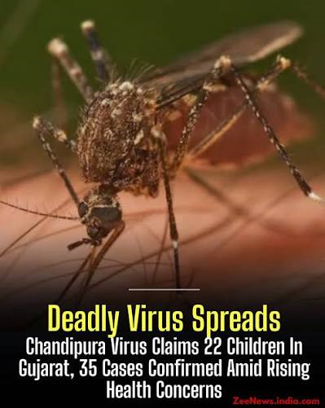
Context: State health authorities reported a significant surge in Chandipura virus (CHPV) infections and pediatric fatalities during the ongoing monsoon season.
-
- Pathogen Family: Chandipura virus belongs to the family Rhabdoviridae and the genus Vesiculovirus.
- Vector Transmission: It is primarily transmitted by vectors such as sandflies (specifically Phlebotomus species) and mosquitoes, and occasionally ticks.
- Target Demographic: The virus disproportionately affects young children, typically those below the age of 15.
- Clinical Manifestations: It causes acute encephalitis (inflammation of the active tissues of the brain), presenting with sudden high fever, seizures, altered mental state, and rapid progression to coma or death.
- Discovery: The virus was first isolated in 1965 from patients in Chandipura village near Nagpur, Maharashtra.
- Monsoon Correlation: Outbreaks frequently peak during the monsoon and immediate post-monsoon seasons due to the proliferation of vector breeding sites.
- Diagnosis: Confirmed via molecular techniques such as Reverse Transcription-Polymerase Chain Reaction (RT-PCR) and serological assays like ELISA.
- Treatment Protocol: There is no specific antiviral treatment available; management is strictly supportive, focusing on intensive care and managing cerebral edema.
- Case Fatality Rate: CHPV is noted for its high case fatality rate, which can range anywhere from 50% to 70% in severe, untreated encephalitis cases.
- One Health Approach: Prevention relies heavily on vector control measures, including indoor residual spraying and clearing stagnant water or organic refuse.
(TH)
IIT Hyderabad Launches India’s First Nuclear Technology Programme (“ANUGYAN”):
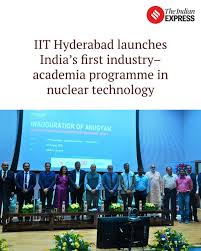
Context: IIT Hyderabad launched “ANUGYAN,” India’s first industry-academia collaborative programme in nuclear technology to bridge skilled workforce shortages in the civil nuclear sector.
-
- Program Name: ANUGYAN serves as India’s premier industry-academia joint educational framework focused entirely on nuclear tech.
- Core Objective: To cultivate specialized engineering talent for India’s expanding civil nuclear power generation roadmap and clean energy targets.
- India’s Three-Stage Nuclear Program: Conceived by Homi Bhabha, it relies sequentially on: Stage I (Pressurised Heavy Water Reactors using natural uranium), Stage II (Fast Breeder Reactors using plutonium-uranium oxide), and Stage III (Thorium-based reactors).
- Thorium Reserve: India possesses roughly 25% of the global reserves of thorium, primarily found in monazite sands along coastal tracts of Kerala, Odisha, and Andhra Pradesh.
- Nodal Regulatory Body: Atomic Energy Regulatory Board (AERB), established in 1983 under the Atomic Energy Act, 1962.
- Department of Atomic Energy (DAE): Operates directly under the charge of the Prime Minister’s Office (PMO).
- NPCIL: Nuclear Power Corporation of India Limited is a Public Sector Undertaking responsible for the design, construction, and operation of nuclear power reactors.
- Civil Nuclear Liability Act: The Civil Liability for Nuclear Damage Act (CLNDA), 2010 addresses operator liability and compensation in case of a nuclear accident.
- International Conventions: India is a signatory to the Convention on Nuclear Safety and maintains safeguards agreements with the International Atomic Energy Agency (IAEA).
- Decarbonization Role: Nuclear energy is classified as a clean, base-load energy source crucial for India’s 2070 net-zero emissions target.
(IE)
Miscellaneous
Swami Vivekananda Cultural Youth Centre (Viveka Smaraka) in Mysuru:
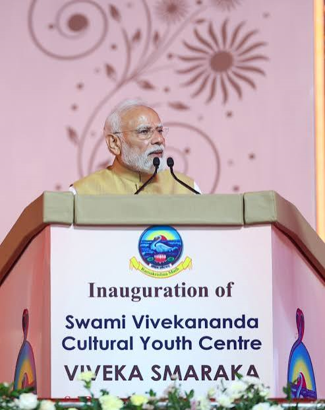
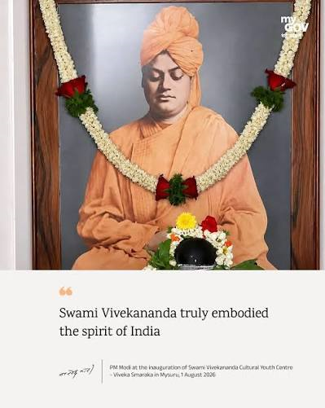
Context: Highlighting national heritage and youth icons, cultural landmarks such as the Swami Vivekananda Cultural Youth Centre were inaugurated in Mysuru to commemorate historical legacies.
-
- Historical Commemoration: Marks Swami Vivekananda’s historic visit to Mysuru in November 1892 during his pan-India wandering monk journey prior to his Chicago Parliament of Religions address.
- Birth Anniversary: Swami Vivekananda’s birth anniversary (January 12) is celebrated annually across India as National Youth Day.
- Chicago Address: Delivered an iconic speech at the Parliament of the World’s Religions in Chicago in 1893, introducing Indian philosophy (Vedanta) to the Western world.
- Philosophical Foundation: Chief disciple of Sri Ramakrishna Paramahamsa and founder of the Ramakrishna Math and Ramakrishna Mission (1897).
- Core Teachings: Propounded ‘Practical Vedanta’-emphasizing social service, spiritual nationalism, character building, and the upliftment of the underprivileged (“Daridra Narayana”).
- Key Literary Works: Jnana Yoga, Bhakti Yoga, Karma Yoga, and Raja Yoga.
- National Youth Policy: Principles of youth empowerment, skill development, and leadership draw extensive inspiration from Vivekananda’s ideals.
- Mysore Princely State Link: Swami Vivekananda shared a progressive intellectual rapport with the royal administration of the erstwhile Kingdom of Mysore.
- Neo-Vedanta Movement: His interpretation of Hinduism discarded rigid ritualism in favor of universal humanism, rationalism, and spiritual unity.
- Cultural Nationalism: Promoted a synthesis of India’s spiritual depth with Western scientific and material progress.
(TH/PIB)
Facts & Data
SBI Research Report on Macroeconomic Indicators & Inflation:
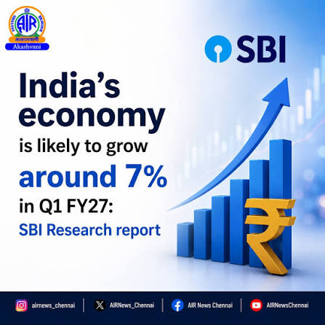
Context: The Economic Research Department of the State Bank of India released its pre-MPC report projecting India’s Q1 FY27 GDP growth at around 7% alongside evolving inflation trends.
-
- GDP Projection: Q1 FY27 real GDP growth is projected at approximately 7%, driven by strong high-frequency indicators.
- High-Frequency Drivers: Growth is supported by robust passenger vehicle sales, double-digit electricity demand growth, and an uptick in the Index of Industrial Production (IIP).
- Inflation Status: Headline Consumer Price Index (CPI) inflation for Q1 FY27 stood at 3.9%, though projected to average higher over subsequent quarters.
- RBI Mandate: The Reserve Bank of India is statutorily mandated to maintain retail inflation at 4% with a tolerance band of +/- 2% (2% to 6%).
- Monetary Policy Committee (MPC): The MPC is a six-member statutory body headed by the RBI Governor, tasked with fixing the benchmark interest rate (repo rate).
- Monsoon Impact: Normalization of monsoon conditions and reservoir levels heavily influences agricultural output and rural demand stability.
- Index of Industrial Production (IIP): Compiled monthly by the National Statistical Office (NSO) under the Ministry of Statistics and Programme Implementation (MoSPI).
- Core Sectors in IIP: Eight Core Industries comprise nearly 40.27% of the weight of items included in the IIP (Refinery products, electricity, steel, coal, crude oil, natural gas, cement, fertilizers).
- Capital Expenditure: Public capital expenditure remains a vital anchor for crowding-in private investments.
- External Sector: Export resilience amidst global geopolitical headwinds acts as a critical determinant of net external demand.
(TH)
Spread the Word