
Indian Polity & Governance
Judicial Review & Enforcement of BNSS Section 163 (formerly CrPC 144):
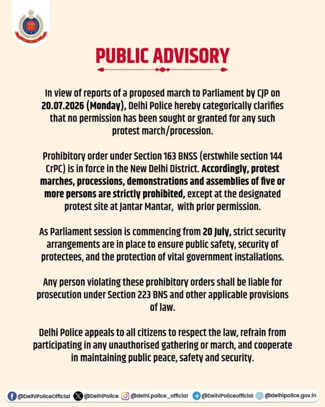
Context: The Delhi High Court agreed to hear public interest petitions regarding public order, traffic disruptions, and administrative enforcement under Section 163 of Bharatiya Nagarik Suraksha Sanhita (BNSS), 2023 during large-scale capital protests.
-
- Statutory Shift: Section 163 of BNSS, 2023 replaces Section 144 of the Code of Criminal Procedure (CrPC), 1973.
- Scope of Power: Empowers District Magistrates, Sub-Divisional Magistrates, or Executive Magistrates to issue orders in urgent cases of nuisance or apprehended danger.
- Prohibitive Orders: Can restrict assembly of 5 or more persons, movement of individuals, or possession of weapons in specified public areas.
- Constitutional Fundamental Rights Involved:
- Article 19(1)(a): Freedom of Speech and Expression.
- Article 19(1)(b): Right to Assemble Peacefully without Arms.
- Article 19(1)(d): Right to Move Freely throughout the territory of India.
- Reasonable Restrictions: Rights under Article 19 are subject to Article 19(2) and 19(3) on grounds of sovereignty, integrity of India, public order, and morality.
- Landmark Precedent – Anuradha Bhasin v. Union of India (2020): Supreme Court held that orders under Section 144 (now BNSS 163) cannot be used as a tool to suppress legitimate expression or rights indefinitely.
- Proportionality Test: Executive orders must satisfy the test of proportionality and cannot be repetitive or vague without periodic judicial/administrative review.
- Duration: Orders issued under BNSS Section 163 cannot remain in force for more than 2 months, unless extended by the State Government for a maximum total of 6 months.
- Section 163 vs Section 144: Retains the core emergency powers while streamlining procedural deadlines under the new criminal law codes effective July 1, 2024.
- Balancing Rights: Highlights the judicial balance between an individual’s right to peaceful protest and the general public’s right to unhindered movement and safety.
(TH/IE)
Fast-Track Courts for Paper Leak Cases:
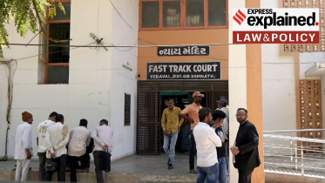
Context: PM Modi announced the establishment of dedicated fast-track courts across the country to expedite trials related to paper leak cases and examination irregularities, aiming to safeguard youth interests and restore confidence in public recruitment systems.
-
- Objective: Fast-track courts will ensure swift trial and time-bound justice in examination malpractice cases.
- Legislative Framework: Complements the Public Examinations (Prevention of Unfair Means) Act, 2024, enacted to deal strictly with organized paper leak syndicates.
- Statutory Penalties: Under the 2024 Act, offenses carry a minimum 3 to 5-year imprisonment, while organized crime syndicates face 5 to 10 years of imprisonment and up to ₹1 crore fine.
- Non-Bailable Offense: All offenses under the Public Examinations Act are cognizable, non-bailable, and non-compoundable.
- Fast-Track Special Courts (FTSCs): Set up under Centrally Sponsored Schemes; established under Article 247 (Power of Parliament to provide for the establishment of certain additional courts).
- Funding Mechanism: FTSCs are generally funded via the Nirbhaya Fund or central-state cost-sharing models (60:40 for States, 90:10 for North-East/Himalayan states).
- Jurisdiction: Fast-track courts operate under the jurisdiction of the respective High Courts in terms of judge appointment and administrative supervision.
- Constitutional Basis: Article 21 guarantees the Right to Speedy Trial as an integral part of the Right to Life and Personal Liberty.
- Investigating Authority: High-level cases under the central exam framework can be transferred to the Central Bureau of Investigation (CBI) or dedicated special task forces.
- Impact on Youth: Safeguards public employment ecosystem, ensuring meritocracy in UPSC, SSC, NEET, and RRB recruitments.
(PIB/TH)
36th Basic Course in Legislative Drafting Inaugurated:
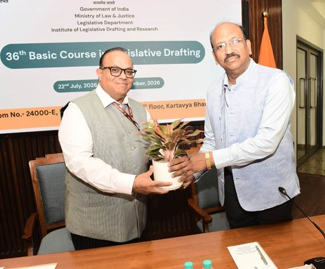
Context: The Ministry of Law & Justice inaugurated the 36th Basic Course in Legislative Drafting in New Delhi to train government officers in precise law-making techniques.
-
- Organizing Body: Organized by the Institute of Legislative Drafting and Research (ILDR) under the Legislative Department, Ministry of Law and Justice.
- Objective: Enhance institutional capacity for drafting clear, unambiguous, and constitutionally robust primary and subordinate legislation.
- Target Group: Officers from Central Ministries, State Governments, Union Territory Administrations, and Parliament/State Legislatures.
- Legislative Process: Under Article 107, a bill (other than Money Bills) can originate in either House of Parliament.
- Types of Legislation:
- Primary Legislation: Acts enacted directly by Parliament or State Legislatures.
- Subordinate/Delegated Legislation: Rules, regulations, bye-laws made by Executive under powers conferred by Primary Acts.
- Committee on Subordinate Legislation: A parliamentary committee in both Houses that ensures the executive does not exceed delegated rulemaking powers.
- Drafting Principles: Focuses on avoiding ambiguity, ensuring harmony with fundamental rights (Part III), and preventing ultra vires
- Plain Language Drafting: Emphasis on modernizing statutory language to make laws accessible to common citizens.
- Role of Law Commission: Complemented by recommendations of the Law Commission of India on statutory reforms and repealing obsolete laws.
- Pre-Legislative Consultation Policy (2014): Mandates placing draft bills in public domain for 30 days for public feedback prior to introduction in Parliament.
(PIB)
Economy
Government Reaffirms Safety and Performance of E20 Ethanol-Blended Petrol:
Context: The Ministry of Petroleum & Natural Gas reaffirmed the safety, environmental efficacy, and vehicle compatibility of E20 fuel (20% ethanol blended with 80% petrol) based on scientific validations conducted by premier technical institutes.

-
- E20 Target: India aims to achieve nationwide 20% ethanol blending in petrol by 2025-26 under the National Policy on Biofuels.
- Feedstock Scope: Biofuel production utilizes sugarcane juice, B-heavy molasses, C-heavy molasses, damaged food grains, surplus rice from FCI, and maize.
- E20 Vehicle Standards: Vehicles manufactured since April 2023 are engineered to be fully E20 material-compliant and tuned for optimized fuel performance.
- Emissions Reduction: E20 blending reduces Carbon Monoxide (CO) emissions by ~30–50% and Hydrocarbon (HC) emissions by ~20% compared to unblended petrol.
- Foreign Exchange Savings: Substantially cuts crude oil import bills and enhances energy security for India.
- Ethanol Characteristics: Ethanol () is a renewable biofuel produced by fermentation of sugars; it possesses a higher octane rating than petrol.
- Generations of Biofuels:
- 1G: First-generation (edible food crops like sugarcane, corn).
- 2G: Second-generation (non-edible agricultural waste/lignocellulosic biomass).
- 3G: Third-generation (algae-based).
- 4G: Fourth-generation (genetically engineered crops & carbon capture).
- Farmer Income Augmentation: Diversifies income streams for sugarcane and maize farmers through grain-based distilleries.
- Water Footprint Concerns: Requires balance with sustainable agriculture due to high water intensity of sugarcane cultivation.
- NITI Aayog Roadmap: Ethanol Blending Roadmap (2020–25) coordinates inter-ministerial efforts across Agriculture, Petroleum, and Automotive sectors.
(PIB)
Environment & Ecology
Crackdown on Exotic Wildlife Trafficking under CITES Regulations:
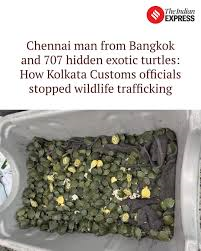
Context: Customs officials in Kolkata intercepted an international smuggling racket, rescuing over 700 exotic turtles trafficked from Southeast Asia.
-
- Incident: Seizure of exotic foreign turtle species at transit points, underscoring rising cross-border wildlife crime corridors.
- Legal Framework in India: Regulated under the Wild Life (Protection) Act, 1972 (amended in 2022 to explicitly cover CITES-listed species).
- Schedule IV of WPA 1972: The 2022 amendment introduced a dedicated schedule (Schedule IV) to enforce CITES provisions domestically.
- PARIVESH / CITES Portal: Requirement for citizens/breeders to register exotic live species on the Ministry of Environment, Forest and Climate Change (MoEFCC) PARIVESH 2.0 / Videsh
- CITES Overview: Convention on International Trade in Endangered Species of Wild Fauna and Flora (signed 1973, entered into force 1975); India is a signatory.
- CITES Appendices:
- Appendix I: Species threatened with extinction; commercial trade prohibited.
- Appendix II: Species not strictly threatened now, but trade controlled to prevent over-utilization.
- Appendix III: Species protected in at least one country asking for assistance from others.
- Customs Act, 1962: Grants Customs officers power to inspect, seize, and arrest individuals smuggling contraband wildlife under Section 111 and 135.
- Wildlife Crime Control Bureau (WCCB): Statutory body under WPA 1972 tasked with collecting intelligence and coordinating anti-trafficking operations across states and international borders.
- Eco-Impact: Introduction of non-native exotic species can trigger invasive species dynamics, threatening indigenous freshwater ecosystems.
- Operation Save Kurma: Specific national/international operation led by WCCB targeting illegal trade in freshwater turtles and tortoises.
(IE)
Science & Technology
CSIR Commercializes Smart Rural Water Monitoring Technologies:
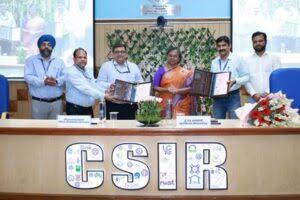
Context: The Ministry of Science & Technology announced that four technologies developed by the Council of Scientific and Industrial Research (CSIR) have been licensed to industry, including the commercial launch of Smart Rural Water Monitoring Technology.
-
- Objective: Real-time monitoring of drinking water quality and supply parameters in rural habitations.
- Jal Jeevan Mission Synergy: Directly supports the Jal Jeevan Mission (JJM) in ensuring supply of 55 liters per capita per day (lpcd) of potable water to rural households.
- Key Parameters Monitored: Measures pH, turbidity, total dissolved solids (TDS), residual chlorine, and flow rates using IoT-enabled sensor systems.
- CSIR Overview: Established in September 1942 as an autonomous body; India’s largest premier Research and Development (R&D) organization.
- CSIR Governance Structure: The Prime Minister of India serves as the ex-officio President of CSIR, while the Union Minister of Science and Technology is the Vice President.
- Registration Status: Registered under the Societies Registration Act, 1860.
- Technology Transfer Model: Focuses on lab-to-market translation through public-private partnerships (PPP) to foster indigenous manufacturing under Atmanirbhar Bharat.
- Groundwater Contaminants in India: Addresses critical contamination issues such as Fluoride, Arsenic, Nitrate, Iron, and Heavy Metals in rural aquifers.
- Digital Infrastructure: Data collected feeds into centralized state/national Jal Jeevan dashboards for predictive maintenance and quality alerts.
- Community Ownership: Empowers Village Water and Sanitation Committees (VWSCs) / Pani Samitis with digital tools for decentralised management.
(PIB)
History, Art & Culture
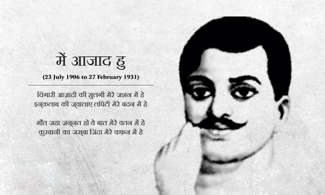
Birth Anniversary of Chandra Shekhar Azad:
Context: The nation paid rich tributes to revolutionary freedom fighter Chandra Shekhar Azad on his birth anniversary (born 23 July 1906 in Bhavra, Madhya Pradesh).
-
- Birth & Early Life: Born on July 23, 1906, in Bhavra village (now Chandra Shekhar Azad Nagar) in Alirajpur district, Madhya Pradesh.
- Non-Cooperation Movement (1921): Joined the movement at age 15; when arrested, he famously named himself ‘Azad’ (The Free), his father ‘Swatantrata’ (Independence), and his residence ‘Jail’.
- Hindustan Republican Association (HRA): Joined HRA in 1922, founded by Ram Prasad Bismil, Sachindra Nath Sanyal, and Jogesh Chandra Chatterji.
- Kakori Train Action (1925): Participated in the Kakori train robbery near Lucknow to seize government funds for revolutionary activities.
- Reorganization into HSRA (1928): Reorganized HRA into the Hindustan Socialist Republican Association (HSRA) at Feroz Shah Kotla, Delhi, alongside Bhagat Singh and Sukhdev, adding “Socialist” to its goal.
- Saunders Assassination (1928): Executed the assassination of British police officer J.P. Saunders in Lahore to avenge the death of Lala Lajpat Rai.
- Ideology: Aimed at establishing a federal republic of the United States of India based on socialist principles.
- Jhansi Base: Used the forests of Jhansi and Orchha under the pseudonym Pandit Harishankar Brahmachari as an operational base to train revolutionaries.
- Martyrdom (1931): Died on February 27, 1931, at Alfred Park (now Azad Park) in Prayagraj, preferring to shoot himself rather than be captured alive by British forces.
(PIB)
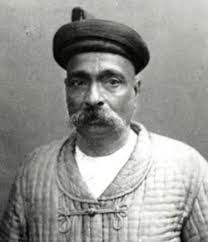
Birth Anniversary of Lokmanya Bal Gangadhar Tilak:
Context: Prime Minister Narendra Modi paid homage to Lokmanya Bal Gangadhar Tilak on his birth anniversary (born 23 July 1856 in Ratnagiri, Maharashtra).
-
- Title: Bestowed with the title “Lokmanya” (accepted by the people as their leader); British authorities called him the “Father of Indian Unrest”.
- Slogan: Coined the iconic slogan: “Swaraj is my birthright and I shall have it!”
- Extremist Triumvirate: Key leader of the Extremist faction of the Indian National Congress (INC) along with Lala Lajpat Rai and Bipin Chandra Pal (Lal-Bal-Pal).
- Journals/Newspapers: Founded two major publications Kesari (in Marathi) and Mahratta (in English) to stoke nationalistic consciousness.
- Educational Institutions: Co-founded the Deccan Education Society (1884) and Fergusson College (1885) in Pune to impart nationalist education.
- Cultural Mobilization: Transformed local festivals into mass political gatherings, Ganesh Utsav (1893) and Shivaji Jayanti (1895).
- All India Home Rule League (1916): Launched his Home Rule League in April 1916 at Belgaum, operating across Maharashtra (excluding Bombay), Karnataka, Central Provinces, and Berar.
- Lucknow Pact (1916): Instrumental in uniting Extremists and Moderates back into INC and forging the INC-Muslim League pact alongside Mohammad Ali Jinnah.
- Literary Works: Authored Gita Rahasya (written during his imprisonment in Mandalay, Myanmar) and The Arctic Home in the Vedas.
- Passing Away: Passed away on August 1, 1920, coinciding with the launch day of Mahatma Gandhi’s Non-Cooperation Movement.
(PIB)
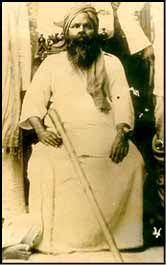
Death Anniversary of Subramania Siva & South Indian Freedom Movement:
Context: Vice-President paid floral tributes to legendary freedom fighter Thiru Subramania Siva on his death anniversary (23 July).
-
- Background: Born in 1884 in Dindigul, Tamil Nadu; closely associated with VO Chidambaram Pillai and Subramania Bharati.
- Swadeshi Movement in Tamil Nadu: Active participant in the Swadeshi Movement following the 1905 Partition of Bengal.
- Coral Mill Strike (1908): Co-led the historic Tuticorin Coral Mill Strike alongside V.O. Chidambaram Pillai against harsh British labor conditions.
- First Political Prisoner: Arrested in 1908 on charges of sedition; became the first political prisoner in Madras Presidency to be sentenced to rigorous imprisonment.
- Contracted Leprosy: Contracted leprosy during harsh imprisonment in Tiruchirappalli jail; British authorities banned him from traveling in trains due to his illness.
- Pappanapatti Ashram: Established the “Bharat Ashram” at Pappanapatti near Pennagaram (Dharmapuri district) to inspire youth towards freedom struggle.
- Literary Contributions: Authored books like Ramanuja Vijayam and Madhava Vijayam, and launched the journal Gnanabhanu in 1913.
- Bharat Mata Temple: Conceived and laid the foundation for a temple dedicated to Bharat Mata at Pappanapatti.
- Ideology: Blended spiritual nationalism with radical anti-colonial action inspired by Swami Vivekananda and Sri Aurobindo.
- Historical Significance: Represents the rich political mobilization in Madras Presidency during the early 20th century.
(PIB)
Spread the Word