
Indian Polity & Governance
Draft Telecommunications Broadcasting Rules, 2026:
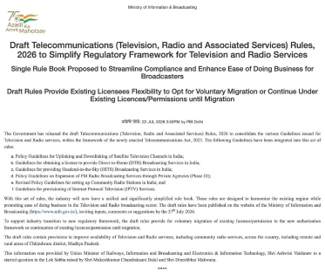
Context: The Ministry of Information and Broadcasting published the draft Telecommunications (Television, Radio and Associated Services) Rules, 2026, creating a unified regulatory rulebook.
-
- Parent Legislation: Drafted under the regulatory framework of the landmark Telecommunications Act, 2023.
- Unified Code: Consolidates satellite TV uplinking/downlinking guidelines, DTH, HITS, FM Phase III, IPTV, and Community Radio policies into one rulebook.
- Ease of Doing Business: Simplifies multi-tier licensing and permissions into a streamlined authorization framework.
- Voluntary Migration: Existing broadcasting licensees are provided a dual mechanism: voluntary migration or retaining original terms until expiration.
- Telecommunications Act, 2023: Repealed the Indian Telegraph Act (1885), the Indian Wireless Telegraphy Act (1933), and the Telegraph Wires (Unlawful Possession) Act (1950).
- Spectrum Allocation Shift: The 2023 Act mandated auction as the primary mode for spectrum assignment, reserving administrative allocation for specified public interest/defense uses.
- OTT Domain Clarification: Over-The-Top (OTT) communication services are excluded from telecommunication licensing regimes to prevent regulatory duplication.
- Community Radio Boosting: Streamlines approval windows for academic institutions and NGOs establishing local radio stations.
- DTH & HITS Synergy: Headend-in-the-Sky (HITS) and Direct-to-Home (DTH) operating frameworks are synchronized to improve broadcast infrastructure sharing.
- Public Feedback Window: Open for stakeholder inputs and public consultation until July 27, 2026.
(PIB)
Rule 267 of Rajya Sabha Rules of Procedure:
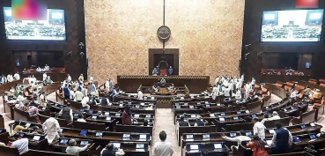
Context: Proceedings in the Rajya Sabha faced repeated adjournments during the Monsoon Session as members moved notices under Rule 267 demanding immediate discussion on national issues.
-
- Procedural Provision: Rule 267 of the Rules of Procedure and Conduct of Business in the Council of States allows suspension of listed business.
- Key Condition: Any member, with the consent of the Chairman, may move that any rule be suspended in its application to a motion related to business listed for the day.
- Discretionary Power: The power to accept or reject a Rule 267 notice rests solely with the Chairman of the Rajya Sabha.
- Contrast with Lok Sabha: Lok Sabha has no exact equivalent named “Rule 267”; its closest mechanism is the Adjournment Motion (Rule 56).
- Adjournment Motion Distinction: Adjournment motions in Lok Sabha involve an element of censure against the government, unavailable in Rajya Sabha.
- Overriding Nature: If admitted, all pre-scheduled agenda items (Question Hour, Zero Hour, Legislative Business) are set aside.
- Rarity of Admission: Notices under Rule 267 are rarely admitted by the Chair to maintain parliamentary scheduling integrity.
- Rule 267 Restrictions: Cannot be invoked for matters already raised under standard motion rules or sub-judice subjects.
- Presiding Officer’s Role: The Chairman acts as the sole interpreter of rules within the House; decisions cannot be challenged on the floor.
- Impact on Question Hour: Frequent invocation of Rule 267 leads to suspension of Question Hour, affecting executive accountability mechanisms.
(IE)
International Relations
16th BRICS Health Ministers’ Meeting in Chandigarh:
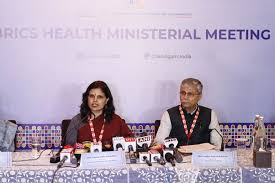
Context: India hosts the 16th BRICS Health Ministers’ Meeting in Chandigarh under its 2026 BRICS Chairship, focusing on global health security, digital health, and traditional medicine.
-
- Chairship Theme: Guided by India’s 2026 theme: “Building for Resilience, Innovation, Cooperation, and Sustainability.”
- Expanded BRICS Footprint: Deliberations involve all 11 BRICS members: Brazil, Russia, India, China, South Africa, Egypt, Ethiopia, Iran, Saudi Arabia, UAE, and Indonesia.
- New Priority Pillars: India added two new focus areas: BRICS Mission for Healthy Lifestyle and Promotion of Mental Wellness.
- Digital Health Focus: Focuses on interoperable digital health architectures and telehealth solutions for remote communities.
- TCIM Integration: Emphasizes Traditional, Complementary, and Integrative Medicine (TCIM) alongside modern healthcare practices.
- India’s BRICS History: This marks India’s fourth BRICS Chairship (earlier in 2012, 2016, and 2021).
- Evolution of BRICS: Originating as “BRIC” in 2001 (coined by Jim O’Neill), South Africa joined in 2010; expanded to BRICS+ in 2024.
- Decision-Making Mechanism: BRICS operates purely on consensus among member nations without a formal charter or permanent secretariat.
- Pandemic Preparedness: Formulates joint early-warning protocols for zoonotic diseases and epidemic containment across the Global South.
- Tuberculosis & Neglected Diseases: Enhances regional cooperation to eliminate TB and combat social determinant-driven illnesses.
(PIB)
Economy
Macroeconomic Vulnerability: Oil Shock and Current Account Deficit (CAD):
Context: Indian benchmark stock indices (Sensex and Nifty) and the Indian Rupee faced depreciation pressures following a surge in global Brent crude prices ($95+/barrel).
-
- Market Reaction: Benchmark indices fell sharply due to concerns over crude-led imported inflation and foreign capital outflows.
- Currency Impact: Rupee experienced downward pressure against the US dollar amid rising crude import bills.
- Current Account Deficit (CAD): CAD measures the gap between the total value of goods/services a country imports and exports.
- Crude Sensitivity: Rule of thumb: Every $10/barrel surge in Brent crude expands India’s CAD by approximately 0.3% to 0.4% of GDP.
- Import Dependence: India relies on imports for over 85% of its domestic crude oil requirements.
- Inflation Transmission: High oil prices trigger imported headline inflation via direct fuel pricing and elevated transport/freight costs.
- Fiscal Deficit Impact: Government duty adjustments or subsidy absorbs on petroleum products directly alter fiscal math.
- FPI Outflows: Rising geopolitical risks generally prompt Foreign Portfolio Investors (FPIs) to exit emerging market equities for safe-haven assets.
- RBI Intervention: RBI utilizes Foreign Exchange Reserves to smooth extreme volatility without targeting a specific exchange level.
- Strategic Petroleum Reserves (SPR): India maintains emergency SPR facilities at Visakhapatnam, Mangaluru, and Padur to hedge supply shocks.
(TH/IE)
Geography
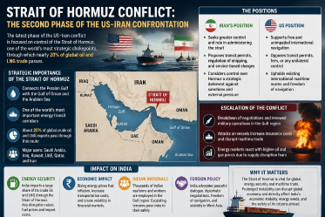
Strait of Hormuz Geopolitical Tensions & Maritime Security:
Context: Escalating military operations in West Asia have renewed threat risks surrounding critical maritime chokepoints, notably the Strait of Hormuz.
PERSIA / IRAN
│
┌──────────────┴──────────────┐
│ STRAIT OF HORMUZ │ <– Chokepoint (~21 nautical miles wide)
└──────────────┬──────────────┘
│
OMAN / GULF OF OMAN
-
- Geographic Location: The Strait of Hormuz connects the Persian Gulf (west) with the Gulf of Oman and the Arabian Sea (east).
- Riparian States: Bordered by Iran to the north and Oman & the United Arab Emirates (UAE) to the south.
- Strategic Chokepoint: It is the world’s most critical oil transit chokepoint, handling roughly 20% of global petroleum consumption.
- Physical Dimensions: At its narrowest point, the strait is approximately 21 nautical miles (39 km) wide, with shipping lanes 2 miles wide in each direction.
- UNCLOS Applicability: Ships transit under the Transit Passage regime of the United Nations Convention on the Law of the Sea (UNCLOS).
- India’s Vulnerability: Over 60% of India’s crude oil imports and liquefied natural gas (LNG) supplies pass through this waterway.
- Operation Sankalp: Indian Navy periodically deploys warships under Operation Sankalp to ensure safe passage for Indian-flagged vessels in the region.
- Alternative Routes: Pipelines like Saudi Arabia’s East-West Pipeline and UAE’s Habshan-Fujairah pipeline bypass the strait, but have limited capacity.
- Hormuz Island: Strategic Iranian island located inside the strait, known historically as a maritime trade nexus.
- Economic Impact: Disruption in the strait drives global crude oil price spikes, triggering inflationary pressures worldwide.
(TH)
Science & Tech
RajmargYatra App & Local Toll E-Pass System:
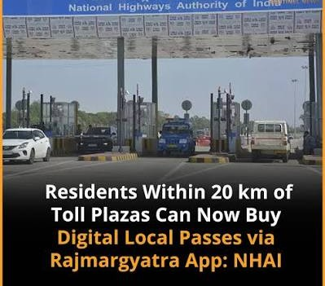
Context: The National Highways Authority of India (NHAI) updated its integrated citizen app, RajmargYatra, enabling digital local e-pass processing for residents within 20 km of toll plazas.
-
- Core Service: Enables residents living within 20 km of user-fee toll plazas to apply for and renew monthly local discounted passes online.
- Integration: Linked directly with FASTag RFID accounts to eliminate manual document verification at toll booths.
- Developer Body: Developed under the aegis of NHAI (Ministry of Road Transport and Highways).
- NHAI Framework: NHAI was established by an Act of Parliament (NHAI Act, 1988) as an autonomous statutory body.
- FASTag Technology: Employs Passive Radio Frequency Identification (RFID) technology for electronic toll collection directly from linked prepaid accounts.
- Operating Frequency: FASTag operates on the 860–960 MHz Ultra High Frequency (UHF) band.
- GNSS Toll Collection: Serves as a transitional stepping stone toward Global Navigation Satellite System (GNSS)-based barrierless tolling.
- Incident Reporting: Includes user location-tagged incident reporting, complaint redressal, and weather/toll rate calculators.
- National Highway Building: NHAI is responsible for the development, maintenance, and management of National Highways entrusted to it.
- Data Protection: Implements encryption protocols aligned with Digital Personal Data Protection (DPDP) compliance guidelines for user credentials.
(IE)
Government Schemes & Initiatives
Healthcare Infrastructure and Viksit Bharat 2047 Targets:
Context: The Vice-President of India highlighted the role of nursing, primary healthcare expansion, and Ayushman Bharat in achieving the Viksit Bharat 2047 vision.
-
- Twin Pillar Strategy: Emphasizes that quality healthcare and education form the primary pillars of a developed India by 2047.
- Focus on Allied Health: Identifies nursing and allied health professionals as core operational units of preventive/curative healthcare.
- Organ & Eye Donation: Underlines the imperative for heightened national awareness on organ donation and eye banking networks.
- Ayushman Bharat PM-JAY: World’s largest government-funded health insurance scheme, offering ₹5 lakh cover per family per year for secondary/tertiary hospitalization.
- Ayushman Arogya Mandirs: Formerly Health and Wellness Centres (HWCs), delivering Comprehensive Primary Health Care (CPHC) including non-communicable disease screenings.
- ABDM Component: Ayushman Bharat Digital Mission creates a seamless digital health ecosystem through the ABHA (Ayushman Bharat Health Account) 14-digit ID.
- Constitutional Provision: Article 47 (Directive Principles of State Policy) directs the State to raise the level of nutrition and standard of living, and improve public health.
- 7th Schedule Status: “Public health and sanitation; hospitals and dispensaries” is a State subject (List II, Entry 6).
- National Health Policy (NHP) 2017: Target to raise public health expenditure to 5% of GDP.
- Preventive Shift: Focuses on shifting health policy from purely curative care to preventive, promotive, and community-centered care.
(PIB)
Internal Security
Integrated Cybersecurity Framework & IT Act Provisions:
Context: The Union Ministry of Electronics and IT submitted details in Lok Sabha regarding the institutionalization of India’s multi-layered cyber defense framework following action against malicious applications.
-
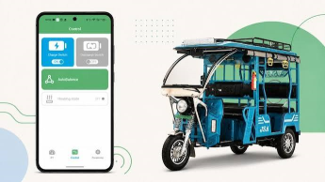
- Context Trigger: Orders issued for removing unauthorized mobile applications targeting Battery Management Systems (BMS) in e-rickshaws due to remote control exploits.
-
- NCSC Role: National Cyber Security Coordinator (NCSC) under the National Security Council Secretariat (NSCS) oversees national-level cyber strategy.
- CERT-In Statutory Status: Designated as the national nodal agency under Section 70B of the Information Technology (IT) Act, 2000.
- NCIIPC Infrastructure Protection: Established under Section 70A of the IT Act, 2000, for safeguarding Critical Information Infrastructure (CII).
- Definition of CII: The IT Act defines CII as any computer resource whose incapacitation will have a debilitating impact on national security, economy, or public health.
- NCCC Operations: National Cyber Coordination Centre (NCCC) scans real-time cyberspace metadata to generate actionable threat intelligence.
- Consumer Protection Alignment: Integrates enforcement mechanisms under the Consumer Protection Act, 2019, to protect citizens from malicious software.
- Reporting Timelines: CERT-In directions mandate mandatory reporting of cyber incidents by entities within 6 hours of detection.
- Primary Cyber Statute: IT Act, 2000 remains India’s primary statute regulating cybercrime, electronic commerce, and digital signatures.
- Apex Security Body: NSCS functions under the Prime Minister’s Office (PMO), headed by the National Security Advisor (NSA).
(PIB)
Miscellaneous
UGC-NET, JRF Fellowship Structure & Academic Research Grants:
Context: Discussions in Parliament highlighted the execution framework of National Eligibility Test (NET) and Junior Research Fellowships (JRF) under the Ministry of Education.
-
- NTA Role: The National Testing Agency (NTA) conducts the UGC-NET exam twice a year (June and December) to determine eligibility for Assistant Professorship and JRF.
- Three-Tier Eligibility: UGC expanded NET results into three categories: (1) Award of JRF and appointment as Assistant Professor, (2) Appointment as Assistant Professor and admission to Ph.D., and (3) Admission to Ph.D. only.
- University Grants Commission (UGC): Statutory body created by the UGC Act, 1956, tasked with coordination, determination, and maintenance of standards of higher education.
- NTA Status: An autonomous, self-sustained premier testing organization registered under the Societies Registration Act, 1860.
- NEP 2020 Alignment: Streamlines Ph.D. admissions across central/state universities using standardized entrance performance data.
- Fundamental Duty on Scientific Temper: Article 51A(h) makes it a duty of every citizen to develop a scientific temper, humanism, and the spirit of inquiry and reform.
- Higher Education Financing: Funding for research fellowships is disbursed through UGC and Ministry of Education budgetary allocations.
- National Research Foundation (Anusandhan NRF): Operationalized under the NRF Act, 2023, to seed, grow, and promote R&D across universities and colleges.
- Gender Parity Focus: Dedicated fellowship slots (such as Savitribai Jyotirao Phule Fellowship) aim to boost women scholars in doctoral programs.
- Digital Verification: Integrates fellowship award letters and qualifying certificates with the DigiLocker ecosystem for secure verification.
(IE)
WAVES Film Bazaar Screenwriters’ Lab 2026:
Context: The National Film Development Corporation (NFDC) opened applications for the WAVES Film Bazaar Screenwriters’ Lab 2026 to mentor Indian storytellers.
-
- Organizing Body: Organized by the National Film Development Corporation (NFDC), under the Ministry of Information & Broadcasting.
- Target Audience: Open exclusively to Indian citizens residing in India working on feature-length fiction film screenplays.
- IP Protection Requirement: Mandates script registration with the Screenwriters Association (SWA) or recognized bodies prior to application.
- NFDC Origins: NFDC is a Central Public Sector Undertaking (CPSU) established in 1975 to foster high-quality Indian cinema.
- Film Bazaar Profile: Film Bazaar is South Asia’s largest film market, organized annually alongside the International Film Festival of India (IFFI) in Goa.
- WAVES Initiative: Aligned with the World Audio Visual & Entertainment Summit (WAVES) framework to build creative economy infrastructure.
- Language Flexibility: Screenplay submissions require English translation, but final film projects can be made in any recognized Indian language.
- Three-Stage Mentorship: Incorporates intensive script development, character structuring, and pitch preparation stages.
- IFFI Jurisdiction: The International Film Festival of India (IFFI), conducted since 1952, is jointly hosted by NFDC and the State Government of Goa.
- Creative Economy Push: Aims to expand India’s soft power by taking domestic scripts to global co-production and financing networks.

(PIB)
Spread the Word